
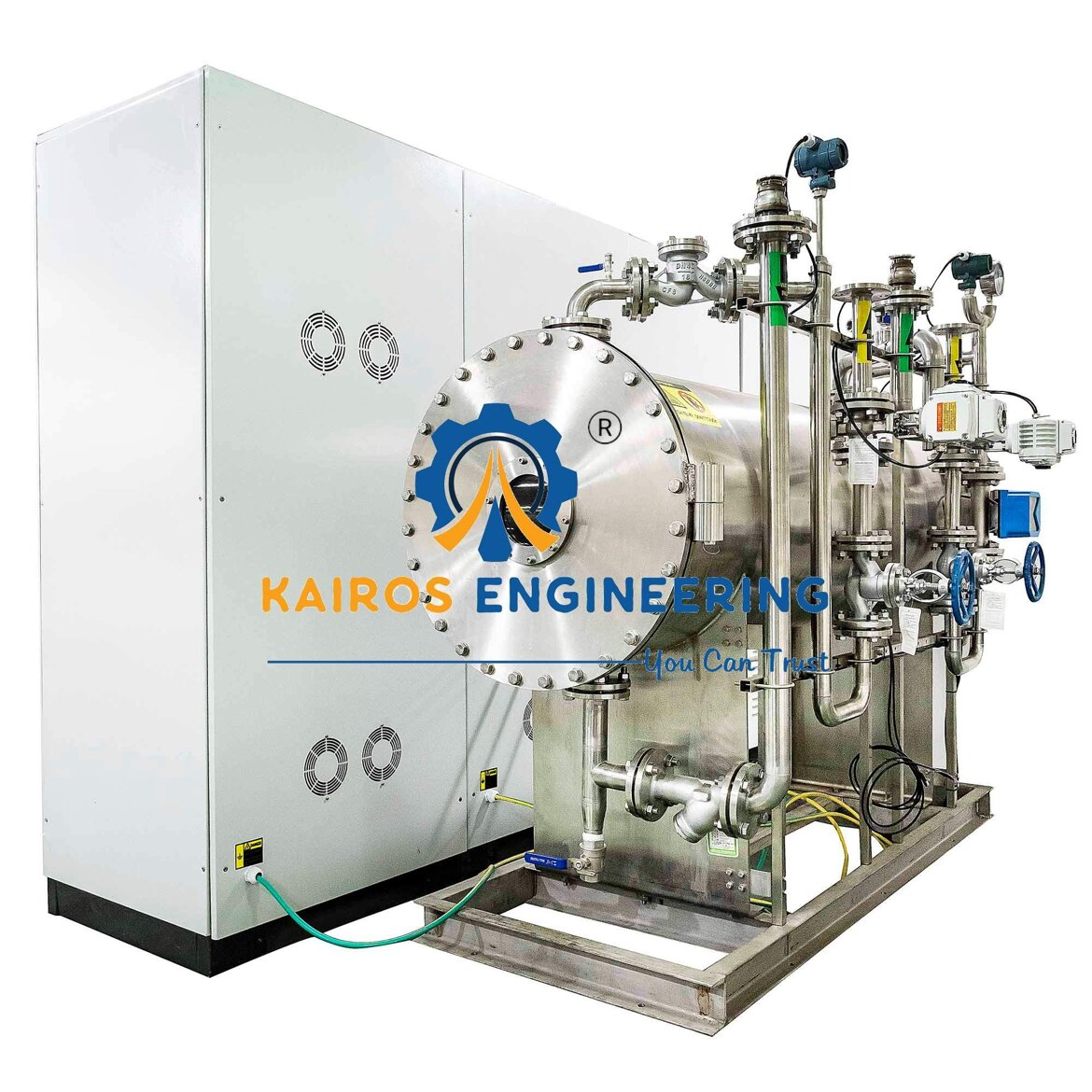
Ozone Generator
The ozone generator is a machine that is generating growing interest for its multiple applications in air purification, water treatment, and the elimination of unpleasant odors.
Ozone Production
The ozone generator is designed to generate ozone (O3), a molecule composed of three oxygen atoms. Ozone is produced through the corona discharge process, which involves a series of stages:
a. Power supply: The ozone generator is equipped with a power supply that provides a high voltage to its internal components. This high voltage is necessary to create a corona discharge.
b. Electrodes: Inside the generator, there are one or more electrodes that are separated by a minimal distance. When the electrical voltage is applied to the electrodes, a corona discharge occurs between them.
c.
Air or oxygen: Ambient air or oxygen is passed through the corona discharge zone. During this passage, the oxygen atoms (O2) present in the air undergo ionization, transforming into ozone (O3).
Applications of the Ozone Generator
The ozone generator has a wide range of applications in different sectors:
a. Air purification: The ozone generator is used to remove unpleasant odors, bacteria, viruses, and other contaminants from the air in enclosed environments such as offices, homes, and cars. Ozone reacts chemically with pollutants, converting them into non-harmful substances.
b. Water treatment: Ozone is used to disinfect drinking water, eliminating pathogenic microorganisms, viruses, and bacteria. This process is effective and does not leave harmful chemical residues in the water.
c. Food industry: In the food sector, the ozone generator is used for surface disinfection and food preservation. Ozone is effective in removing pesticides and bacteria from fruit, vegetables, and production surfaces.
d. Wastewater treatment: In wastewater treatment plants, ozone is used to remove organic substances and chemical pollutants present in the water.
Contact us for free