
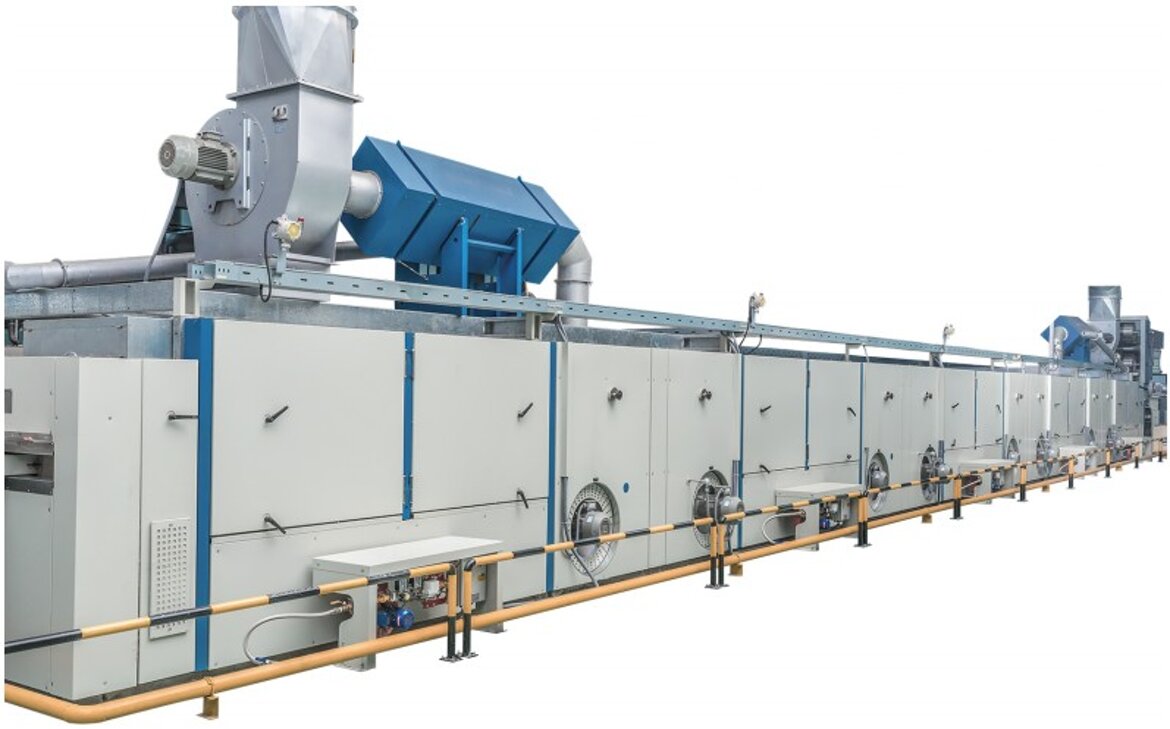
Energy Recovery
The recovery of energy from industrial waste heat has become an essential component of waste management strategy and sustainable energy supply in many parts of the world. This process exploits the thermal waste generated by a wide range of industries to produce useful energy in the form of electricity, heat, or both.
The Principles of Energy Recovery from Waste Heat
The recovery of energy from industrial waste heat is based on the fundamental principle of energy conservation. This thermal waste, often emitted in large quantities by industries, contains energy in the form of heat. Instead of dissipating this heat into the environment, the energy recovery process captures the heat and converts it into useful energy.
The energy recovery process can be divided into several key stages:
Collection of Thermal Waste: The first stage involves collecting thermal waste from industries. This thermal waste can vary widely in its composition and temperature, depending on the originating industry.
Thermal Waste Treatment: Once collected, the thermal waste may undergo preliminary treatment. This can include the removal of contaminants or unwanted substances that could compromise the energy recovery process.Heat Conversion: The central phase of the process involves converting the heat contained in the thermal waste into usable energy.
Do you want to get a clearer idea?
Contact us for free